La bise is a cheek-to-cheek greeting that some people use with friends, family, and acquaintances in France. It is not a test visitors have to pass. When you are unsure, say bonjour, watch the other person's lead, and offer a warm verbal greeting or a handshake instead.
It can feel like a small social mystery: someone leans in, you turn the wrong way, and suddenly you are wondering whether there should have been another kiss. The useful principle is simpler than any map. La bise depends on the people, the setting, and their comfort. A friend’s family may greet one another this way; a first professional introduction may call for a spoken greeting or a handshake. Either way, a polite hello is doing the important work.
What does la bise mean?
Faire la bise means exchanging a greeting kiss on the cheeks, often more cheek-to-cheek than a kiss placed on the skin. It may happen when people arrive or leave. It is common enough to notice in many social settings, but it is never a universal obligation for strangers, colleagues, or visitors.
People sometimes talk about a regional number of kisses. Local habits can exist, but they are tendencies rather than instructions for a particular encounter. Families, friendship groups, workplaces, age groups, and individual preference all matter. Trying to count in advance is less helpful than pausing and following the person in front of you.
Three everyday situations
Choose a situation for a little more context. The first scene is open by default, and all three remain readable without the interactive controls.
Greeting situations
Meeting a friend's family
A possible approach
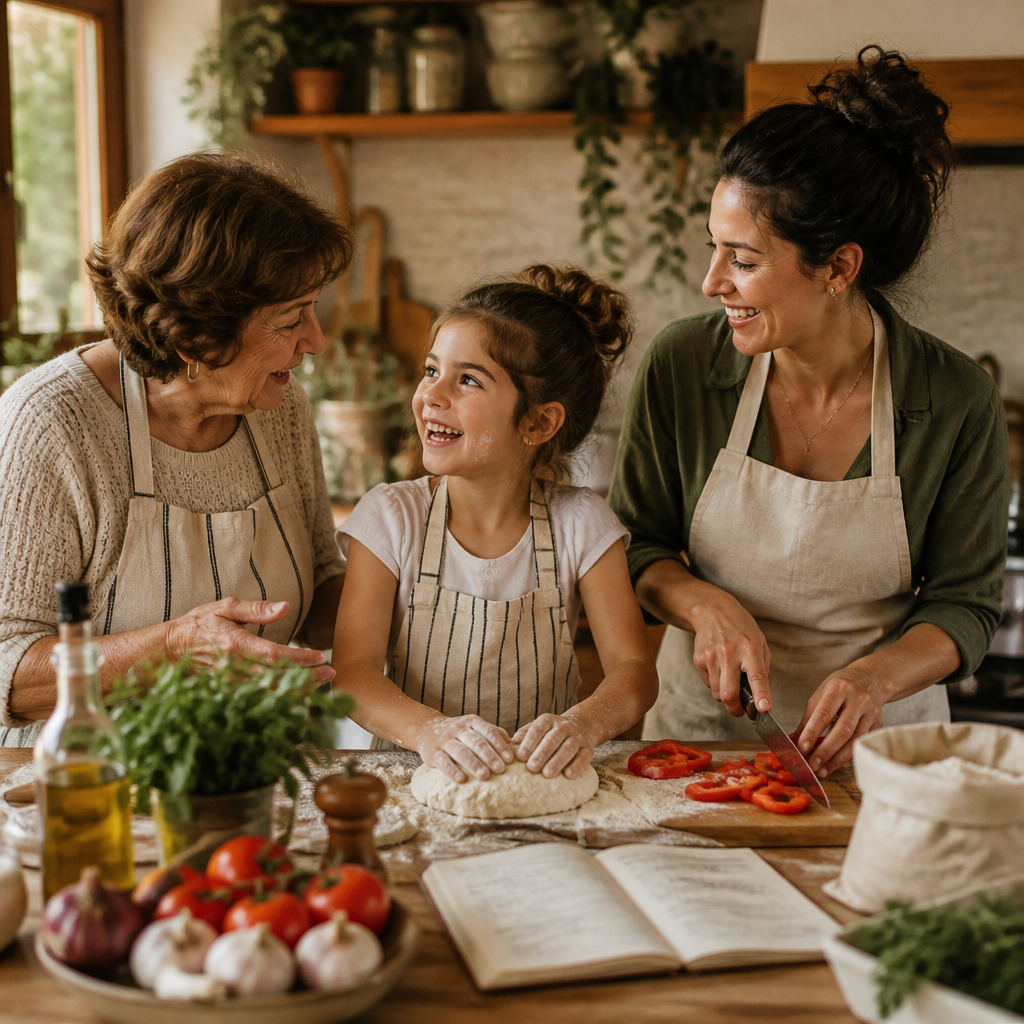
You may see family members greet each other with la bise. Let your friend introduce you, say hello, and wait a moment for the other person’s cue. A handshake or a simple verbal greeting can also be perfectly polite.
Friend: Je te présente ma mère, Claire.
Let me introduce you to my mother, Claire.
You: Bonjour, enchantée.
Hello, pleased to meet you. Use enchanté if the speaker is male and enchantée if the speaker is female.
Claire: Enchantée. Bienvenue !
Pleased to meet you. Welcome!
If you prefer no contact: smile, say Bonjour, enchantée, and keep a little space. If words would help, you can say Bonjour, je préfère vous serrer la main, si ça vous va.
A professional introduction
A possible approach
For a first formal or professional meeting, do not assume la bise. A greeting and a handshake are a straightforward choice. Workplace customs vary, including among colleagues who already know one another.
Host: Bonjour, je vous présente Monsieur Martin.
Hello, let me introduce Mr Martin.
You: Bonjour, enchanté.
Hello, pleased to meet you. Use enchantée if the speaker is female.
Monsieur Martin: Bonjour, enchanté.
Hello, pleased to meet you.
Greeting someone you already know
A possible approach
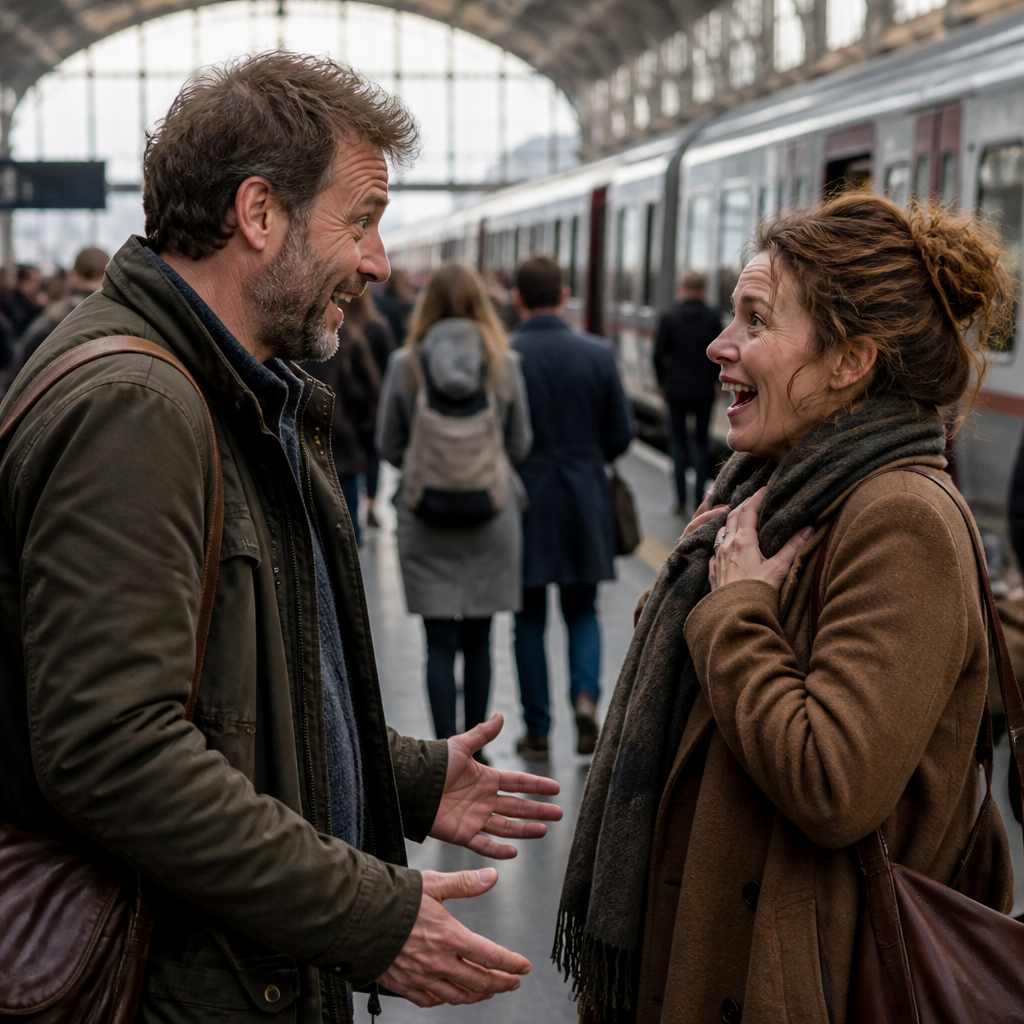
Friends and acquaintances may use la bise when they meet, but routines are personal. If you have met before and still are not sure, asking lightly is kinder than guessing.
You: Salut, ça va ? On se fait la bise ?
Hi, how are you? Shall we do la bise?
Friend: Oui, avec plaisir !
Yes, gladly!
If the answer is no, keep it easy: Pas de souci, bonjour ! means “No problem, hello!”
Useful French for a first meeting
- Bonjour
- Hello; a useful default for almost every introduction.
- Enchanté / enchantée
- Pleased to meet you; the ending agrees with the speaker.
- On se fait la bise ?
- Shall we do la bise? A friendly, informal question.
- Je préfère vous serrer la main.
- I prefer to shake hands with you.
- Ravie de vous rencontrer
- Delighted to meet you, said by a female speaker; ravi for a male speaker.
How to make uncertainty less awkward
- Do not rush towards someone you have just met. A greeting creates a natural pause to read the situation.
- Match the welcome you are offered rather than treating la bise as a rule for every French person.
- It is fine to set a boundary. A friendly hello, a nod, or a hand offered first communicates respect without an explanation.
- If you make a small directional mistake, laugh gently and carry on. People who use la bise navigate mixed habits too.
Read the next meeting in French
There is no verified story matching this exact first-meeting scene yet. For now, browse the French story library to practise greetings and introductions in context. It is an interim discovery link rather than a promise of a direct continuation.